How to Winterize Your Home Plumbing Before the Freeze
Winter in Rhode Island brings biting cold, snow, and ice and your plumbing can’t afford to be unprepared. Proper winter plumbing prep in Rhode Island protects your pipes from freezing, bursting, and costly damage. Follow these steps now before the freeze so your home’s plumbing stays safe, reliable, and functional through the cold months ahead.
Step-by-Step Checklist for Winter Plumbing Prep in Rhode Island
Here’s a practical checklist you can walk through, ideally in autumn, to get your plumbing ready for freezing weather: locate and label your shutoff valve, insulate all exposed pipes, protect indoor plumbing along exterior walls and under cabinets, shut off and drain outdoor faucets, let faucets drip during extreme cold snaps, seal gaps and air leaks near plumbing runs, know how to thaw a frozen pipe safely or when to call a plumber, and keep the heat on even when you’re away. Use this checklist as a visual guide—tape it near your water meter or in your basement so you don’t forget any step.
How to Find and Label Your Main Water Shutoff Valve Before a Freeze
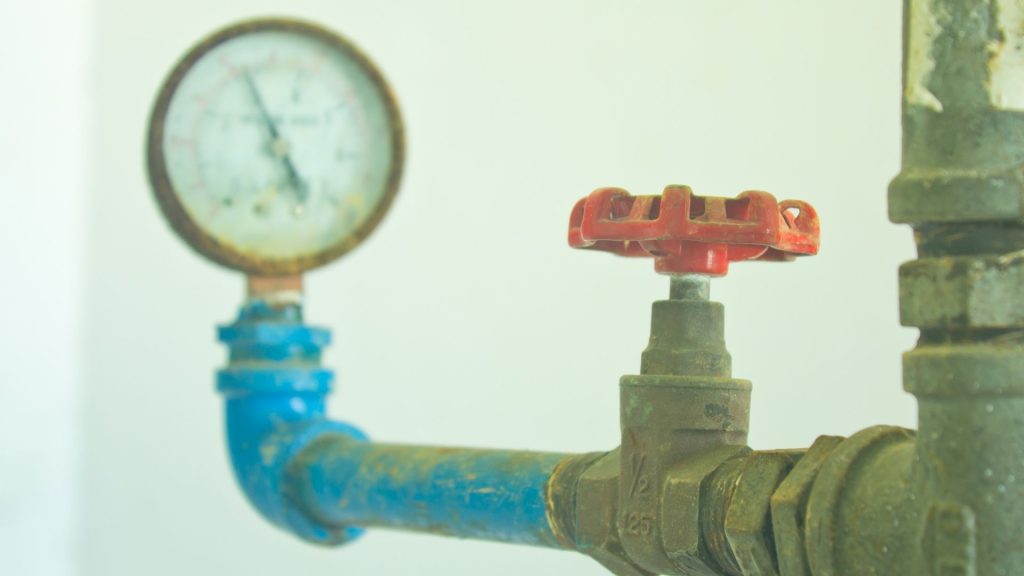
You need to know exactly where your shutoff is and make sure it works before cold weather hits. The main shutoff is usually where your water line enters the home—in the basement, utility room, or near your water meter. Valves are commonly either a gate valve (round wheel) or a ball valve (lever you turn 90°). Test it once: turn it off and on to confirm it isn’t stuck. Label it visibly (for example, “Main Water Shutoff”) so everyone in your home knows where it is. Also identify and label local shutoff valves for individual fixtures (bathrooms, kitchen) in case only a section needs to be shut down. When a pipe begins freezing or bursts, being able to shut off water immediately can stop serious damage.
Insulating Exposed Pipes in Basements, Attics, and Crawl Spaces
One of your strongest defenses is insulation. Use foam pipe sleeves or wrap insulation around pipes, especially those running along external walls or through cold areas. Make sure connections, elbows, and joints are covered—cold air loves to sneak in gaps. In spots that get extremely cold, consider heat tape or self-regulating heating cables (used carefully per manufacturer instructions). Don’t forget pipes in attics, garages, or crawl spaces—these areas are often overlooked. Insulation helps keep the pipe’s temperature more stable and prevents freezing even on very cold nights.
How to Protect Pipes in Winter Inside Kitchen and Bathroom Cabinets
Pipes under sinks and behind walls are vulnerable, especially where walls face the outdoors. Open cabinet doors under sinks so warm house air can reach the pipes. Use foam wrap or pipe insulation around those interior water lines. If the wall itself is cold, consider adding insulation behind the cabinet or mounting foam board inside the wall cavity if possible. Seal any small cracks or gaps where cold air might reach those cabinet areas. These simple steps reduce the chance of interior pipes freezing when the temperature plunges.
What to Do if a Pipe Freezes: How to Thaw and When to Call a Plumber
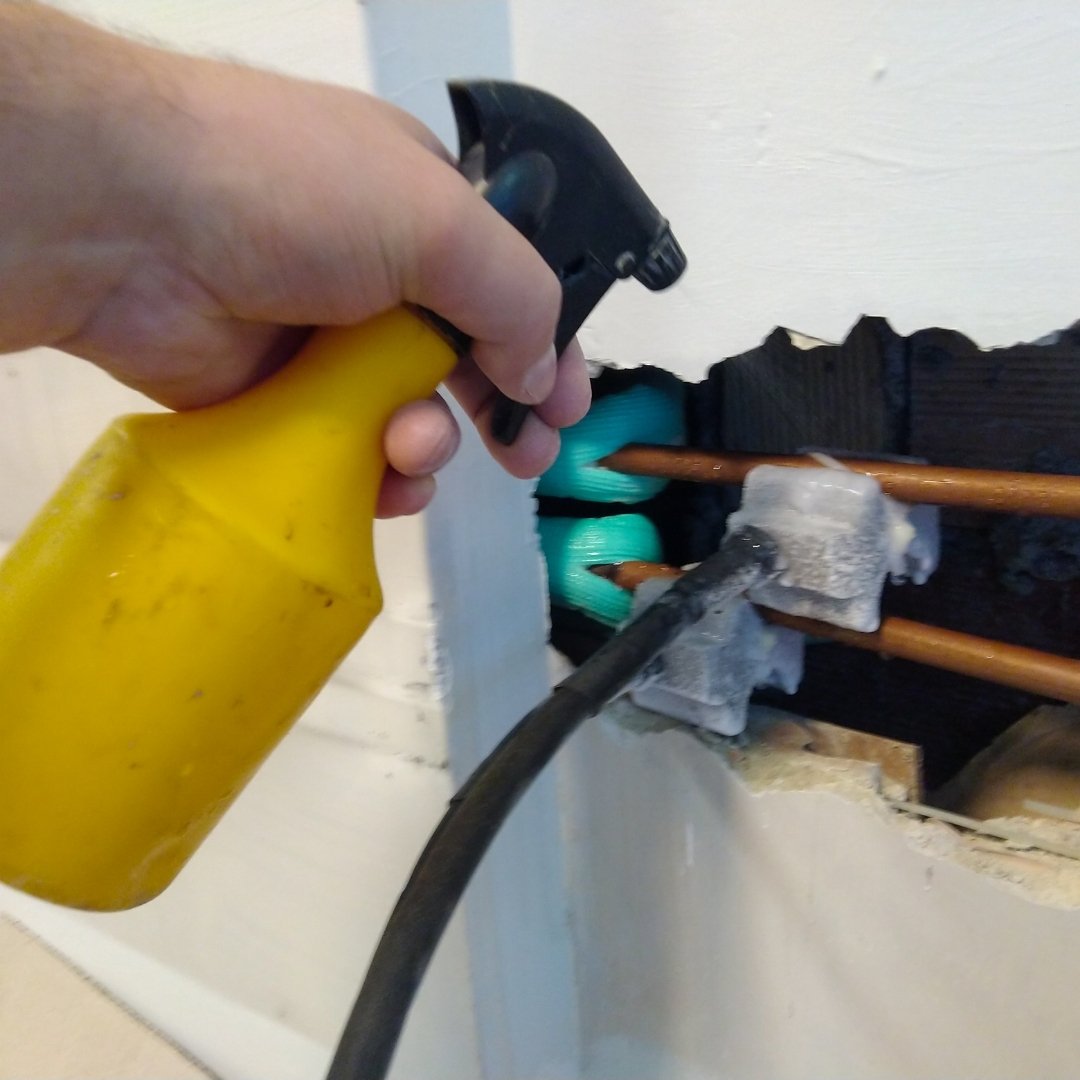
Even with precautions, a pipe may freeze. First, shut off the main water supply to relieve pressure and avoid worse damage. Open faucets downstream—keeping taps open gives escaping water somewhere to go as ice melts. Warm the frozen section slowly using a hairdryer, warm towels, or a heat lamp, starting from the faucet end and working toward the frozen stretch. Never use an open flame or excessive heat—these can damage pipe material or cause fire hazards. Once water flows again, inspect closely for leaks, cracks, or bulges. Call a professional plumber immediately if you see leaks, can’t locate the frozen spot, or the pipe seems damaged. Damage from burst or cracked pipes can be costly. A prompt response can save your home from major repairs.
Conclusion
Winterizing your plumbing in Rhode Island isn’t optional—it’s essential. Following this checklist, knowing where your shutoff is, insulating exposed pipes, protecting indoor plumbing, and understanding what to do if a pipe freezes will drastically lower your risks. When in doubt, or if damage is suspected, call Priority Plumbing RI early. A well-protected plumbing system means fewer surprises and a safer winter for your home.