How Hard Water Affects Your Plumbing
Hard water happens when there are too many minerals like calcium and magnesium in your water. These minerals may not be harmful to drink, but they can cause big problems for your plumbing over time. Hard water can clog pipes, wear down fixtures, and shorten the life of your appliances. Knowing the signs and fixing the problem early can save you money and stress.
What is Hard Water? Definition and How It Forms
Hard water comes from underground sources. As water moves through soil and rock, it picks up minerals like calcium and magnesium. The more minerals in your water, the harder it becomes.
-
Hard water is common in Rhode Island homes
-
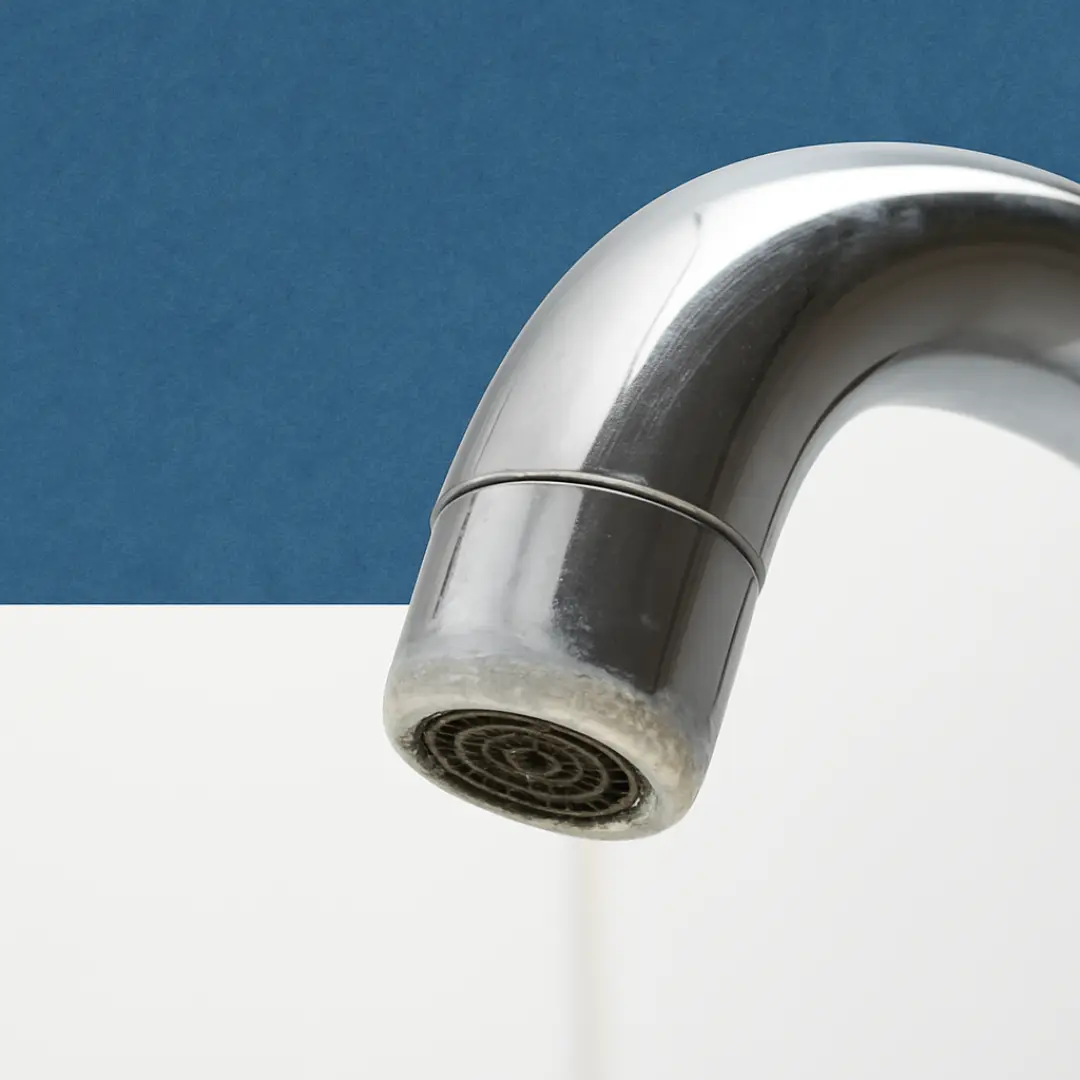
It leaves behind chalky white spots on sinks and faucets
-
It makes soap harder to lather
When water is too hard, your plumbing can slowly start to show damage.
Signs That Hard Water is Damaging Your Plumbing
Hard water leaves clues in your home. If you know what to look for, you can catch the problem before it gets worse.
-
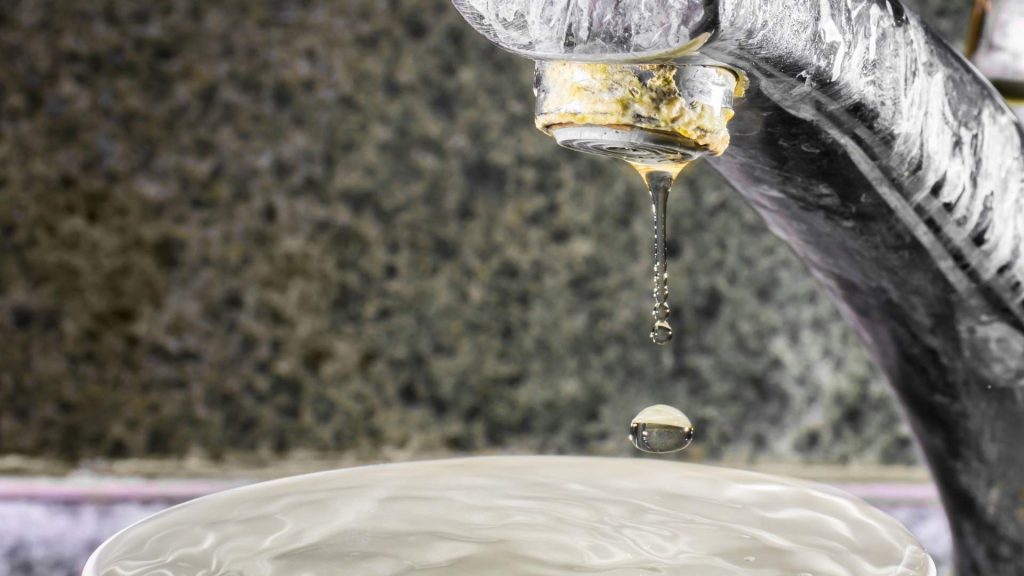
Faucets and showerheads get white or green crust
-
Water pressure feels weaker over time
-
Dishes look cloudy even after washing
-
Your skin feels dry and itchy after showers
If you see these signs, hard water could already be affecting your pipes.
How Scale Buildup from Hard Water Clogs Pipes and Fixtures
When minerals build up, they stick to the inside of your pipes. This is called scale. Over time, scale makes your pipes smaller and blocks water flow. It also clogs faucets and showerheads, making them work less effectively.
Scale can be very stubborn and hard to remove. Once it forms, it often requires a plumber to clean or replace the affected parts. This is why prevention is so important.
Mineral Corrosion and Reduced Lifespan of Plumbing Materials
Hard water does more than clog pipes. The minerals can actually eat away at certain metals in your plumbing system. This corrosion weakens pipes and shortens their lifespan.
Over years, corrosion can cause leaks and expensive water damage. Even newer pipes and fixtures may fail sooner than expected if hard water is left untreated. A water softener or treatment system can help protect your plumbing.
Impact on Water Pressure and Flow Due to Hard Water
One of the most common complaints about hard water is weak water pressure. This happens because scale buildup makes it harder for water to move through pipes. Showerheads and faucets may spray unevenly or feel weaker.
If the pressure problem gets worse over time, hard water is often the cause. Fixing the issue early helps you avoid costly pipe replacement. Professional treatment can restore your plumbing system to run smoothly again.
Conclusion
Hard water may not seem dangerous at first, but over time it can seriously damage your plumbing. It clogs pipes, weakens materials, and lowers water pressure. Watching for early signs and investing in treatment can save you money on repairs. If you notice hard water problems in your home, Priority Plumbing RI can help with testing and water solutions.